
Nabih Berri: Iran Deal is Lebanon’s Sole Opportunity Amid Internal Division Concerns
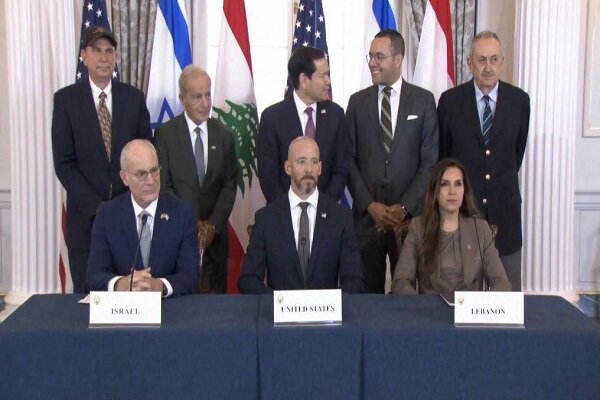
According to the International Desk of Webangah News Agency, Nabih Berri, the Speaker of the Lebanese Parliament, has characterized a framework agreement as “imposed” and “tens of times worse than the May 17, 1983 agreement.” Speaking in an interview with Lebanon’s Al-Akhbar newspaper, Berri stressed the importance of avoiding street movements or reactions that could be exploited to plunge the country into chaos and internal conflict. He warned that the most dangerous aspect of the proposed agreement is not just its political content but its potential consequences, including fostering internal division and pitting Lebanese against each other, which he stated would primarily benefit the Zionist occupiers.
Berri affirmed that ministers from the Amal Movement would not withdraw from the cabinet, asserting that the agreement would not be implemented. The Speaker identified the Iran-U.S. negotiation process as Lebanon’s only genuine opportunity to secure its rights and compel the Israeli regime into a complete withdrawal. He believes this is the sole framework capable of establishing the necessary balance to force the occupiers to fulfill their commitments. Berri added that any attempt to detach Lebanon’s case from this process, or to engage in separate negotiations with the Israeli regime under American and Israeli conditions, would only prolong the occupation and allow the enemy to impose new realities on the ground without concrete guarantees for Lebanon.
Highlighting that the majority of Lebanese and non-Lebanese oppose the agreement, Berri noted that neither the conditions for its success nor its implementation are feasible. In a separate discussion with Al-Modon magazine, he reiterated Lebanon’s commitment to Arab League resolutions, stating the country cannot proceed with such an agreement before other Arab nations. He also pointed to existing agreements, particularly international resolutions safeguarding Lebanon’s right to liberate its territory and prevent aggression, which do not impose a settlement path. Furthermore, an agreement dated November 27, 2024, which cannot be deviated from or exceeded, and a clear Iranian-American agreement that explicitly mentions Lebanon three times, provide grounds for reliance.
Berri reiterated his rejection of the agreement, emphasizing that his primary concern is improving the internal situation, restoring domestic unity, and preventing any division, disintegration, or sedition. He believes the agreement is designed to create sedition among Lebanese and stated he would not accept or allow this to happen. Berri concluded that the agreement cannot be approved or implemented as it falls outside the logic and framework of Arab and international positions. He commended all opponents of the deal, including the stances of the Muslim Scholars Association and the Islamic Group, among others. Berri stated that the Zionists’ main objective is to create internal strife in Lebanon or tensions between Lebanon and Syria to reignite a Sunni-Shiite conflict, but he is certain that such a war or sedition is reprehensible and unwanted by anyone. He characterized the Zionist project as a danger to all Arab countries, asserting that a threat to Lebanon is a threat to Arab nations, and the occupation of its south poses a risk not only to Lebanon but also to Syria.


