
Erdogan Honors Srebrenica Genocide Victims, Declares ‘We Will Never Forget’
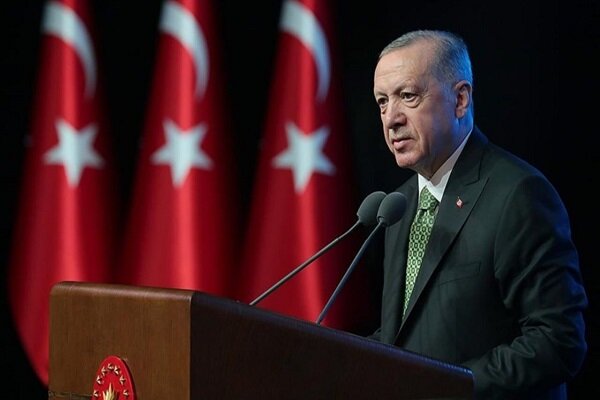
According to the International Desk of Webangah News Agency, Turkish President Recep Tayyip Erdogan issued a solemn message on social media platforms on July 11, the anniversary of the Srebrenica genocide. He stated, “On the 31st anniversary of Srebrenica, one of the most brutal genocides in history, I commemorate all our Bosnian brothers who lost their lives in this massacre with mercy and sorrow.”
President Erdogan paid tribute to the martyrs and prayed for patience for their families and survivors. He firmly added, “We will never forget Srebrenica.”
The Srebrenica genocide occurred in July 1995, during which more than 8,000 Bosniak Muslim civilians were massacred by Serb forces. This event has been recognized as genocide by international courts.
How the Genocide Unfolded
Following the occupation of Srebrenica by Serb forces under the command of General Ratko Mladic on July 11, 1995, Bosnian civilians sought refuge with Dutch forces attached to the United Nations peacekeeping mission. However, they were subsequently handed over to the Serbs by the Dutch soldiers.
Mladic had stated in remarks made before a Serb holiday that he would “gift this city to the Serb nation.”
Mladic was sentenced to life imprisonment by the International Criminal Tribunal for the former Yugoslavia in The Hague for the killing of over 8,000 Bosniak Muslims in Srebrenica on July 11, 1995. The massacre resulted in the deaths of over 8,372 Bosniaks, and many women and children were displaced from their homes.
The Road of Death
After the fall of Srebrenica, a portion of the city’s Muslim population took refuge with Dutch soldiers stationed at an old battery factory near the current martyrs’ memorial. Another group fled into the Bosnian-controlled zone, a route through the forest known among the populace as the “Road of Death” due to the extensive massacres that took place there. Thousands were captured by Serbian soldiers and lost their lives on this path.
Those who sought refuge with the Dutch soldiers were accommodated for the first night at the old factory site. However, Serbian soldiers conducting inspections arbitrarily detained some men. The following day, Serbian soldiers, positioned outside the camp, separated men from families boarding buses and executed them, burying them in mass graves. The women and children of these victims endured years of exile far from their homes.
A significant aspect of the Srebrenica tragedy also highlights the unreliability of international organizations and major powers. This crime occurred even though the UN Security Council had declared Srebrenica a safe area through Resolution 819, and a contingent of Dutch UN peacekeepers was tasked with ensuring the city’s security. NATO forces were also responsible for providing air support. Despite this, the Dutch forces evacuated the city under minimal pressure from the Serb army, and NATO’s air force took no action despite being aware of the Serb military’s advance.
The horrific crime of Srebrenica will forever be etched as a dark chapter in the record of the United Nations and peacekeeping forces, remaining a stain on the conscience of global powers in contemporary history. Perhaps the greatest lesson from Srebrenica for the world is the inability to trust the promises of international organizations and global powers.


