
National Interest: Bypassing Strait of Hormuz Impractical; U.S. Efforts Fall Short
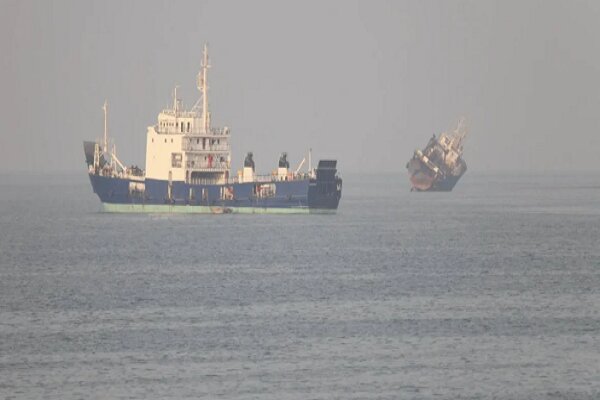
According to the International Desk of Webangah News Agency, the National Interest publication, citing geopolitical risk analyst Vassai Mer, has reported that the geographical conditions in the Strait of Hormuz region grant Iran a strategic advantage. Iran controls the entire northern coastline of the strait, enabling it to monitor the area effectively with coastal missiles and high-speed boats without requiring a naval fleet.
The report emphasizes that bypassing the Strait of Hormuz is not a viable option. The strait serves as the sole maritime route from the Persian Gulf to oceanic passages and is crucial for the daily transport of 20 million barrels of oil and significant quantities of natural gas. Oil pipelines in Saudi Arabia and the UAE can only transfer a fraction of this volume, rendering alternative routes impractical.
Iran has bolstered its military posture through bases in Bandar Abbas and islands within the Strait of Hormuz, such as Qeshm and Larak. For Tehran, making passage through the strait prohibitively expensive for insurance companies is sufficient to exert control.
Three scenarios are presented for the future of the Strait of Hormuz. The first suggests Iran could permit passage for vessels from countries like China, Russia, Turkey, India, Pakistan, and Iraq, while imposing restrictions on Western nations. The second scenario involves the U.S. forcibly opening the strait, which is deemed practically unfeasible due to the region’s geography. U.S. attacks on Iranian positions have not restored the previous status quo, and targeting military bases does not equate to controlling the strait. Iran can recover its non-classical capabilities at a faster pace than U.S. attacks. U.S. plans to escort ships have also failed due to a lack of regional and international support.
The third scenario involves the reopening of the Strait of Hormuz with residual consequences. The lifting of sanctions on Iran in exchange for its nuclear commitments and guarantees of free navigation could form the basis for a lasting agreement. A brief period of unimpeded shipping was observed through the strait during a previous agreement. The U.S. must acknowledge that military superiority has been ineffective in resolving this conflict, and a political solution is the only path to de-escalating the crisis.


