Analysts Warn of ‘Narco-Terrorism’ Accusations Targeting Iran Amid Afghanistan’s Evolving Drug Landscape
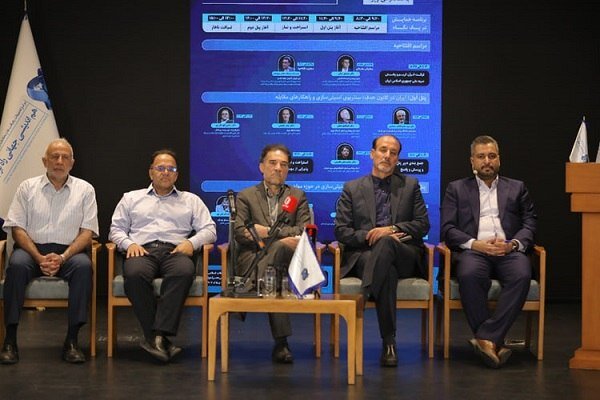
According to the International Desk of Webangah News Agency, senior strategic analysts and experts at the “Second Annual Conference on Securitizing Iran in the Field of Narcotics and Organized Crime” held in July 2026, issued warnings about an imminent and deliberate threat being designed against the Islamic Republic of Iran and the “Axis of Resistance.” Discussions at the specialized gathering suggested that the alteration in drug cultivation and production patterns in Afghanistan following the Taliban’s resurgence is not merely a local event, but rather a pivotal point in a larger project to redirect international accusations towards Iran’s borders. This trend, where efforts are made to “de-securitize” Afghanistan on the international stage, has come at the steep price of “securitizing” Iran and affixing the label of “narco-terrorism” to the Axis of Resistance.
The conference’s preceding session, “Securitizing the Islamic Republic of Iran in the Field of Narcotics and Organized Crime,” featured two specialized panels focusing on the escalating international accusations against Iran concerning organized crime.
Dr. Mansour Barati, Research Deputy at the Kadras Think Tank, elaborated on the dimensions of this impending threat, highlighting a noticeable shift in the rhetoric and reports from international bodies, particularly the United Nations Office on Drugs and Crime (UNODC). He noted that prior to 2018, the Islamic Republic of Iran was consistently commended by global organizations as the primary barrier and frontline in combating drug trafficking. However, from that point onwards, a significant discursive turn emerged in their reports.
This new approach replaced previous commendations with concepts such as “insufficient oversight,” “willful disregard,” and “lack of effective countermeasures.” Experts present at the gathering emphasized that this change in language was not coincidental but was orchestrated to open a “fifth security dossier” against Iran. This dossier, following issues concerning nuclear capabilities, missile programs, regional policy, and human rights, now seeks to leverage “narcotics and organized crime” as a new tool of pressure against Tehran.
A significant portion of the conference was dedicated to examining the link between the securitization of narcotics and the West’s confrontation with the Axis of Resistance. In his presentation titled “The Securitization of Narcotics in the Territory of the Axis of Resistance,” Dr. Nozrat Shafiei explained the cognitive and political mechanisms of this phenomenon. Using the concept of “othering,” he posited that the hegemonic system first defines the Axis of Resistance as an absolute “other” threatening the existing order. Based on this analysis, once a political entity is established as the “other,” any hard or soft power tools against it become legitimized. Within this framework, in addition to military pressures, economic sanctions, and psychological-propaganda warfare, a new weapon, the accusation of “narco-terrorism,” has been activated against the Axis of Resistance. Experts stressed that the ultimate aim of such accusations is to ethically delegitimize resistance groups and justify security crackdowns internationally. Even in the absence of concrete evidence of these groups’ involvement in drug production or transit, the Western media machine systematically applies this label to them.
Dr. Ebrahim Motaghi analyzed Afghanistan’s role as the epicenter of recent changes in the global drug market, describing the country as a prime example of a geography caught within the globally securitized order. Despite apparent contradictions, Afghanistan has managed to redefine its position within complex international equations.
Dr. Nozrat Shafiei further exposed a major contradiction in official international narratives. He questioned the vast claims regarding the production of industrial drugs, particularly methamphetamine, in Afghanistan, noting that such volumes would necessitate extensive cultivation and infrastructure, for which clear evidence is lacking. The key element, according to experts, lies in the supply chain of “chemical precursors.” They stated that the chemical precursors for industrial methamphetamine production are primarily sourced from European countries and sent to the region. However, the label of production and security threat is ultimately placed solely on regional countries. In this inequitable process, experts described how “the origin (the European supplier of precursors) is de-securitized, while the destination, the regional countries, are securitized.”
A crucial segment of the conference report focused on the repercussions of the Taliban’s change in approach after regaining power. Dr. Mansour Barati, citing satellite imagery and documented reports from entities like UNODC and the Alcis Institute, confirmed a significant reduction in poppy cultivation and opioid production in Afghanistan following the Taliban leader’s decree. However, experts emphasized that this action was more of a deliberate political maneuver than a fundamental fight against the drug problem. By reducing poppy cultivation, the Taliban pursued multiple objectives, including cleansing its image, gaining international legitimacy, moving towards global recognition, and securing international financial aid. Conversely, the production of methamphetamine in Afghanistan saw a sharp and alarming increase. Analysts believe the Taliban either lacked a serious will to confront the production of methamphetamine, which is justified by the use of the native Ephedra plant in the country, or deliberately sought to retain the substantial financial resources derived from this new market.
The final and most significant warning from the conference emerged at the intersection of the Taliban’s strategy and the international bodies’ approach toward Iran. With the reduction in poppy production, Afghanistan has gradually moved towards “de-securitization” and image cleansing in international reports. However, the alternative crisis, a tsunami of methamphetamine production, required a new culprit. At this juncture, the project of transferring accusations to the Islamic Republic of Iran was initiated. According to the discussions at the gathering, recent international reports have been framed to allege that Iran is not sufficiently serious in confronting methamphetamine trafficking. Furthermore, dangerous accusations have been made about the transfer of “kitchens” and laboratories for methamphetamine production from Afghanistan into Iran’s borders. These accusatory statements directly complete the security puzzle against Iran. In essence, the change in Afghanistan’s production patterns has become a tool to shift the burden of accusation away from Kabul and position Tehran as the new center for the production and transit of industrial drugs. This scenario represents the imminent danger directly linked to the concept of “narco-terrorism” and is being employed as a means of legal, political, and economic pressure against Iran and the Axis of Resistance.
The “Second Annual Conference on Securitizing Iran in the Field of Narcotics” concluded with the finding that developments in the drug sector in Iran’s eastern neighbor are no longer merely a law enforcement or social issue, but rather a “grand security-political project.” The de-securitization of the Taliban’s image regarding poppy cultivation has come at the cost of creating an existential threat and international dossier-building against Iran.
The deliberate silence of international bodies regarding the entry of chemical precursors from Europe, contrasted with the emphasis on claims of methamphetamine production laboratories being transferred into Iran, indicates a full-blown cognitive and legal war. Experts at the end of the conference underscored the necessity for active diplomacy, international media enlightenment, and the presentation of documented narratives by the Islamic Republic of Iran to dispel the shadow of this fabricated threat from Iran and the Axis of Resistance before the “fifth dossier” solidifies into a global consensus. Countering this trend requires understanding that securitization is a political and media process that can only be neutralized through active engagement and multilateral diplomacy.