
New U.S. Sanctions Against Iran Draw Mixed Reactions and Skepticism
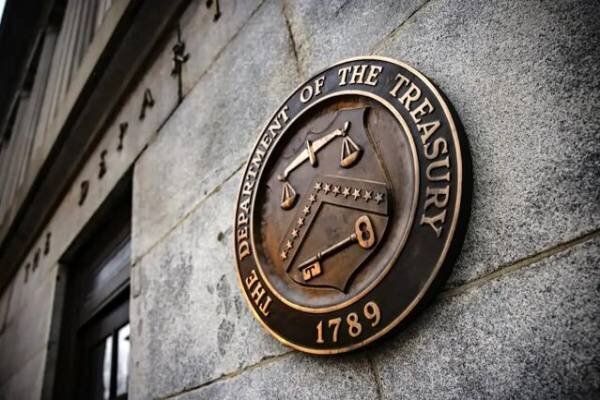
According to the International Desk of Webangah News Agency, new U.S. sanctions against Iran have been met with a variety of reactions. The New York Times reported that Brian Hook, who previously described “Operation Economic Outcast” as an “economic D-Day,” acknowledged that the action was in practice more of a warning shot than a tangible, decisive move akin to the Allied invasion to liberate Europe during World War II. Hook told reporters, “We are giving everyone the opportunity to correct their bad behavior. Why would I want to blow up the global financial system?”
Suzanne Maloney, a senior fellow at the Brookings Institution, stated, “As anticipated, Brian Hook’s so-called ‘economic D-Day’ performance was nothing more than fanfare and propaganda. ‘The emperor has no clothes,’ and the Trump administration has no operational plan to compensate for the immense damage Iran’s catastrophic war has inflicted on U.S. national security interests and the interests of our partners in the Persian Gulf.”
American investor Peter Schiff commented that since Trump could not achieve his goal in Iran through military force, he has now turned to economic sanctions. However, he warned, “Operation Economic Outcast” will not only fail but may ultimately become the very economic stranglehold that tightens around our own necks.
Trita Parsi outlined several key points to consider regarding the “D-Day” sanctions announcement:
1. While these measures can exert significant pressure on Iranians, the pattern of developments thus far indicates that creating pain and pressure is one matter, and translating that pressure into policy change is an entirely different one. The United States has almost never succeeded in the latter.
2. This is particularly significant because Hook has not even specified what America’s exact demands are. This creates the impression in Tehran that the goal of the sanctions is to force Iran into surrender. It is abundantly clear that Iranians will prefer an escalation of tensions to surrender.
3. This represents the same fundamental miscalculation that Trump made at the outset of this conflict, under the assumption that Iran feared war so much that it would ultimately choose capitulation and surrender. He never grasped that Tehran fears surrender more than it fears war. This reality persists today.
4. Consequently, rather than leading to an end to hostilities, the D-Day sanctions are more likely to provoke a retaliatory response and escalation from Iran, ultimately leading to another round in this same long-term cycle of escalating tensions.
5. Of course, a scenario exists where the pressure on Iran is more limited, and consequently, Tehran refrains from immediate reciprocal escalation. However, the combination of blockade and these sanctions will likely increase pressure on Iran in the long term, pressure that will compel Tehran to retaliate sooner or later, as the path ahead will be a downward one.
Therefore, such a new situation will inherently be unstable, and the absence of an immediate Iranian reaction should not be mistakenly interpreted as a lack of response or acceptance of the conditions.


