
Belgium Declares US Untrustworthy Under Trump in Leaked Strategy Paper
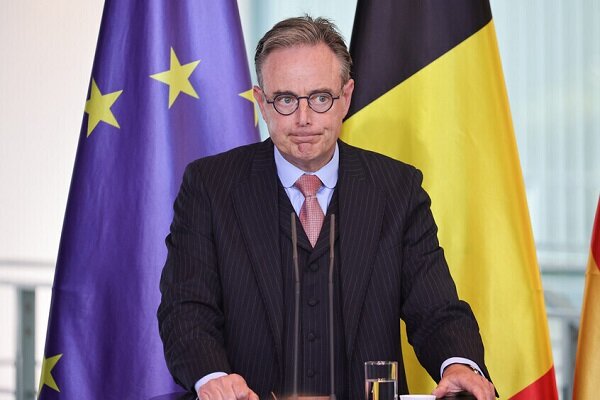
According to the International Desk of Webangah News Agency, a strategic document prepared by the Belgian Ministry of Foreign Affairs’ “Americas and Caribbean Unit” and published by the English newspaper “Financial Times” has warned that the United States is “no longer a reliable ally” under President Donald Trump’s administration. The document, dated late 2025, suggests that Belgium should solidify its relationships with Trump’s adversaries to safeguard national interests.
The Financial Times’ exposé revealed that the Belgian Ministry of Foreign Affairs advised domestic officials to bolster ties with Trump’s opponents to protect the country’s interests, emphasizing that Washington’s current actions “will likely jeopardize many vital interests” of Belgium and the European Union. The document states, “It is now clear that the American partner is no longer the ally it once was.” It further cautioned against Trump’s explicit hostility towards traditional allies in the region and called for a “comprehensive reassessment of the relationship between the European Union and Belgium on one hand, and the United States on the other.”
The Belgian Ministry of Foreign Affairs has outlined a strategy to “adjust” engagement with Washington to preserve Belgian interests and avoid appearing “hostile” towards the United States. While acknowledging the continued necessity of communication with the current U.S. administration, the ministry advocates for significantly strengthening dialogue with lower levels of the federal government, including Republican and Democratic states and mayors of major cities. The leaked Belgian document identifies four key areas for practical engagement and cooperation with Washington: economic relations, military expenditures, immigration, and the fight against drug trafficking and organized crime.
Furthermore, the document warned that a reduction in U.S. foreign aid could have adverse effects, potentially bolstering the influence of drug cartels by creating employment opportunities. Additionally, it suggested that U.S. policies concerning electronic surveillance and digital currencies might impede the tracking of illicit funds, thereby increasing corruption risks.


