
Iranian President Rejects Trump’s Summit Bid, Escalating Tensions
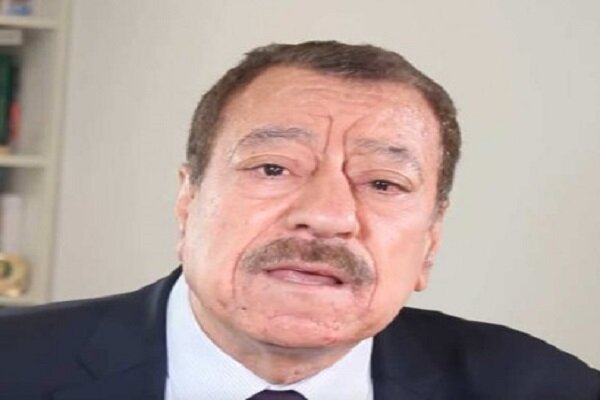
According to the International Desk of Webangah News Agency, strategic affairs analyst Abd al-Bari Atwan has stated that Iranian President Masoud Pezeshkian’s rejection of a proposed meeting with U.S. President Donald Trump, described as a “strong blow” to the American leader, could significantly influence the trajectory of ongoing conflicts and impact Trump’s political standing. The rejected proposal, reportedly from Iran, included a one-week cessation of hostilities across all fronts, including Lebanon, followed by the reopening of the Strait of Hormuz to international shipping. It also encompassed provisions outlined in a memorandum of understanding between Iran and the U.S. following Islamabad negotiations, which included lifting the blockade on all Iranian ports, unfreezing $12 billion in Iranian assets, and revoking all oil sanctions against Iran.
Atwan suggests that Trump’s dismissal of this offer stems from his anger over Pezeshkian’s refusal of a summit that could have led to a ceasefire. Such a meeting, he posits, would have positioned Trump as a “man of peace,” potentially bolstering his declining popularity, aiding the Republican Party’s prospects in the upcoming midterm elections, and helping them maintain their majority in both the House of Representatives and the Senate.
Trump had reportedly placed significant expectations on this meeting, viewing it as a means to de-escalate his administration’s hardline stance on the conflict with Iran, a conflict where, according to Atwan, the U.S. has failed to achieve its objectives of regime change and dismantling Iran’s nuclear and missile programs.
The analyst further noted that the failure to reach an agreement to end the conflict, or achieve a decisive military victory, could lead to a continued decline in Trump’s popularity, potentially resulting in electoral defeat. This scenario, Atwan warned, might even pave the way for his impeachment and subsequent trial on various political and ethical charges.
Atwan elaborated that a peace agreement would necessitate concessions from the U.S., essentially accepting more, or all, of Iran’s conditions. Key among these are strengthening the Iranian government after failed attempts at military overthrow and acknowledging Iran’s control and sovereignty over the Strait of Hormuz. Trump had previously displayed maps of this vital waterway on his social media platform, Truth Social, labeling it “Trump Strait.”
The Palestinian analyst expressed that the likelihood of reaching a peace agreement to end the conflict with Iran appears to be diminishing, with the military option gaining prominence. He suggested that Trump might resort to military action in the coming weeks, viewing it as his only remaining recourse. However, Atwan cautioned that this option is fraught with peril and its outcome is far from guaranteed, especially given that its use over the past seven months has yielded contrary results, fostering Iranian resistance, strengthening the regime, preserving its nuclear program, and enabling the continued development of its missile and drone capabilities.
The article highlighted that Iran’s leadership has concluded that Trump is increasingly likely to revert to the military option. Consequently, they have enhanced their readiness and threatened to broaden the geographical scope of the conflict. This could involve targeting U.S. aircraft carriers and warships not only in the Arabian Sea and the Red Sea but also in the Indian Ocean. Tehran may also abandon the red lines it has observed since the conflict began.
Atwan concluded that Pezeshkian’s refusal to meet with Trump and the perceived public humiliation of the U.S. president could serve as a turning point in the conflict against Iran. He characterized this move as a provocative action meticulously designed by Iran’s ruling establishment, demonstrating foresight and “astute” long-term management of the conflict across military, political, and economic fronts.


