Economic Expert: Strait of Hormuz Blockade Surprises US, Could End Tensions
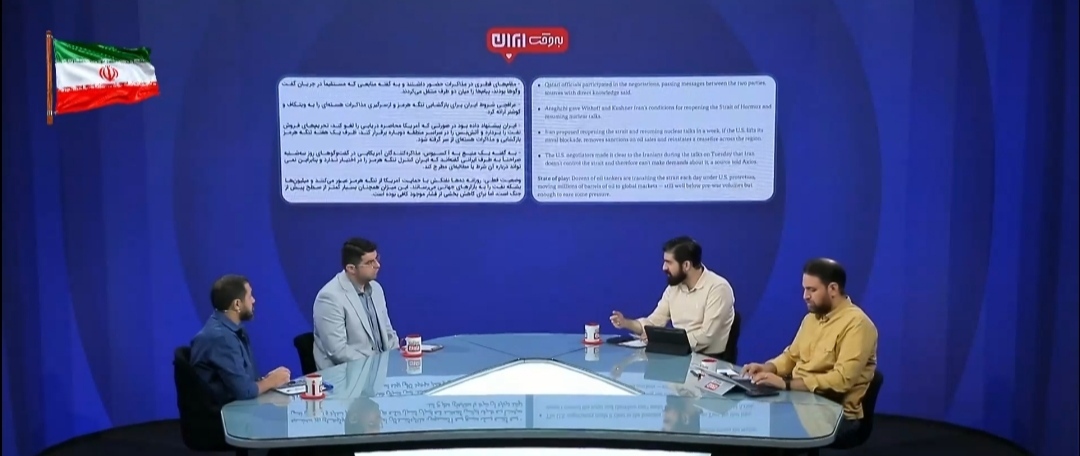
According to the Economic Desk of Webangah News Agency, economic affairs expert Majid Shakeri emphasized the significance of oil flow through the Strait of Hormuz, stating that Iran’s closure of the strait has taken the United States by surprise. He underscored that the opposing side did not anticipate such a reaction, and Iran has managed to disrupt trade by creating insecurity in the strait and raising insurance costs for commercial vessels.
Shakeri further explained that the United Arab Emirates has attempted to challenge Iran’s approach by initiating a state-run oil transfer system using smaller tankers. This move by the UAE, he noted, poses a significant security risk to Iran’s interests by transferring oil to the American side and transforming the UAE’s commercial logic into a security imperative. The economic expert believes Iran must respond to this challenge by attacking the opponent’s logic.
The economic expert described the proposal for negotiations as the worst possible reaction in the current situation, suggesting that the U.S. is seeking breathing room by creating tensions leading up to the midterm elections. He cautioned against engaging in prolonged discussions, as the midterms hold considerable importance for U.S. domestic politics.
Shakeri pointed to the impact of the Strait of Hormuz on Brent oil prices and the creation of inflationary confidence for the opposing side. He believes that monthly inflation fluctuations have been the primary reason for the rise in the 10-year interest rate in the U.S., Europe, the UK, and Japan, with Western financial market analysts citing the U.S. conflict with Iran as a cause of inflation in these countries.
He added that the closure of the Strait of Hormuz has affected the global economy, and a decrease in purchasing power in the U.S. will alter the outcome of the midterm elections. Shakeri also stated that if Iran can demonstrate its economic resilience to the opposing side, the U.S. will face greater financial losses in the event of renewed conflict, as the window for a retaliatory strike will not necessarily remain open until the end of their term.