
EU, Gulf Cooperation Council Discuss Iran’s Regional Role and Strait of Hormuz Security
According to the International Desk of Webangah News Agency, the “Third Regional Security Forum of the GCC and the EU” in Brussels saw the participation of Jassim Mohammed Al-Budaiwi, Secretary-General of the Gulf Cooperation Council, alongside Bahrain’s Minister of Foreign Affairs, Abdullatif bin Rashid Al-Zayani, as the current chair of the GCC, and Kaja Kallas, the EU’s foreign policy chief.
Following the meeting, Kallas asserted the European Union‘s continued emphasis on preventing Iran from acquiring nuclear weapons, describing it as a cornerstone for regional stability and de-escalation of tensions. She did not directly reference alleged repeated U.S. incursions into Iranian territory.
Concurrently, Al-Budaiwi contended that Iran is prioritizing escalation over diplomacy and dialogue. He added that GCC member states support dialogue and diplomacy, seeking sincere consultation and close coordination with the European Union to counter what he termed “threatening behavior to regional security and stability.”
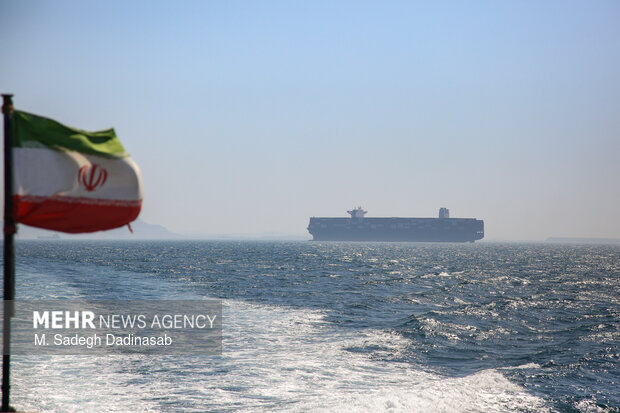
Al-Budaiwi also alleged that Iran’s attacks on GCC member states’ oil facilities and the closure of the Strait of Hormuz have slowed the global economy. He cited a projection by the International Monetary Fund that the global economic growth rate for 2026 has been reduced to 3.1 percent due to the war and disruptions in the Strait of Hormuz.
He noted that the Strait of Hormuz, through which approximately one-fifth of the world’s oil supply passes, experiences disruptions that impact not only the economies of Persian Gulf countries but also Europe, leading to what he described as the “second energy shock in four years.”
The Secretary-General of the Gulf Cooperation Council concluded by emphasizing that new threats arising from conflicts underscore the necessity of strengthening cooperation between the Persian Gulf and the European Union, urging both parties to jointly and coordinatedly confront these challenges.


