UN Warns of Worsening Humanitarian Crisis in Afghanistan
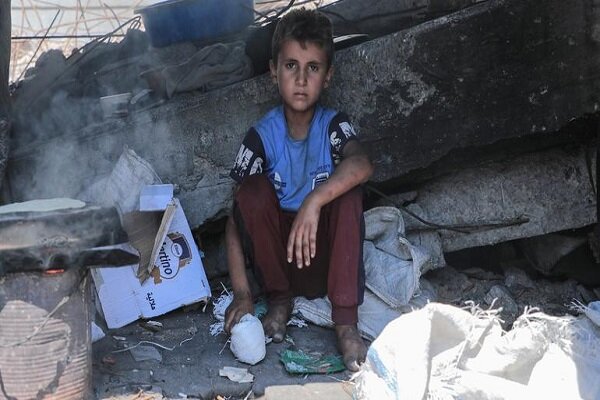
According to the International Desk of Webangah News Agency, the United Nations Office for the Coordination of Humanitarian Affairs (OCHA) in Afghanistan has reported a dire humanitarian situation affecting millions of Afghan citizens. Olga Cherioku, the spokesperson for OCHA in Afghanistan, revealed the severity of the crisis following field visits across various provinces.
Cherioku detailed how climate change impacts, including consecutive floods, droughts, and earthquakes, have devastated infrastructure and destroyed the livelihoods of vulnerable families. Beyond immediate food assistance, many Afghans are urgently seeking sustainable employment opportunities and income sources to achieve self-sufficiency.
The OCHA spokesperson emphasized that while security improvements are not synonymous with enhanced “human security,” significant challenges persist. Restrictions imposed on women and girls severely impede their access to education, employment, and healthcare services. Additionally, a disturbing surge in severe malnutrition among Afghan children has been noted.
The UN official also provided figures on conflict-related casualties, stating that over 1,700 civilians have fallen victim to conflict-related incidents between October 2025 and the end of June 2026. Of these, approximately 500 lost their lives, and over 1,200 sustained injuries.
Afghanistan ranks third globally in casualties from “explosive remnants of war,” Cherioku highlighted. A critical shortage of funding has drastically reduced demining and awareness programs, posing a grave threat to the lives of many children and farmers. Responding to queries about the impact of reduced international funding on humanitarian programs, Cherioku explained that OCHA and its partners are compelled to “do more with less,” negatively affecting all aid sectors, including health, nutrition, and education.
Regarding the root causes of the crisis in Afghanistan, the OCHA spokesperson asserted that the UN is not seeking to assign blame but rather to report on ground realities. Afghanistan currently faces a complex web of accumulated crises, including chronic poverty and deficient access to basic services. An immediate mobilization of the international community is crucial to prevent further deterioration of the situation.