Pakistan Partners with Saudi Arabia, Kuwait, and Qatar for Joint Oil Storage Project
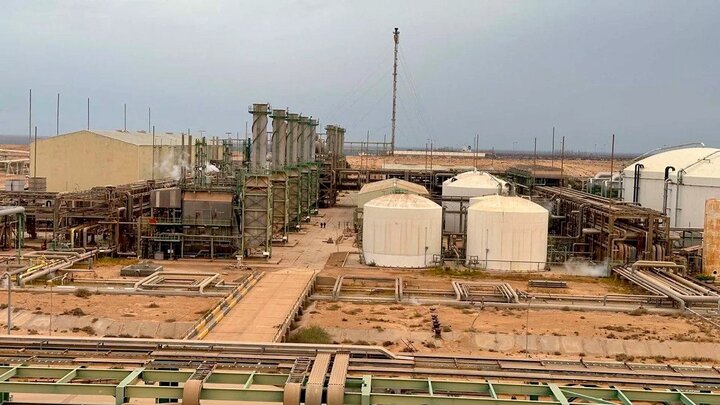
According to the International Desk of Webangah News Agency, Pakistan is set to embark on a significant joint project with Saudi Arabia, Kuwait, and Qatar to host strategic oil reserves, enhancing energy security for all involved nations. Minister of Petroleum Ali Pervaiz Malik revealed the initiative, emphasizing the benefits of utilizing Pakistan’s secure territory for storing oil from the Persian Gulf states.
Speaking on the project, Malik expressed gratitude to the participating Gulf Cooperation Council countries for agreeing to the terms, which allow them to store their oil in Pakistan at their own expense. The stored oil will then be supplied globally from Pakistan. This arrangement is designed to fortify energy security and ensure a stable supply chain.
The Pakistani Minister further stated that Pakistan reserves the right to purchase this stored oil, covering its costs, should any disputes arise, thereby guaranteeing the nation’s own energy needs are met. This clause provides an additional layer of assurance for Pakistan’s energy independence.
A commercially guaranteed financing plan, developed with the assistance of Aramco and other major corporations, has been submitted to the Economic Coordination Committee, adhering to the directives of Prime Minister Shehbaz Sharif. Decisions regarding this plan are expected to be finalized next week. Malik assured that Pakistan’s energy requirements will be met without incurring additional costs, despite the country’s resource limitations.
The government remains committed to enhancing energy security. Malik highlighted that an investment of $500 million is earmarked for storing crude oil reserves for one month, with an additional $300 million to $400 million allocated for the development of an underground storage system. This infrastructure development is crucial for the long-term success of the project.
This development occurs amidst ongoing tensions impacting maritime navigation in the Strait of Hormuz, a critical global chokepoint for oil and liquefied natural gas, through which approximately one-fifth of the world’s seaborne oil supply transits. The prevailing crises surrounding Iran have raised concerns about potential disruptions to global trade and subsequent increases in energy prices.