
US Sanctions Fail to Compel Iran’s Retreat, Israeli Think Tank Assesses
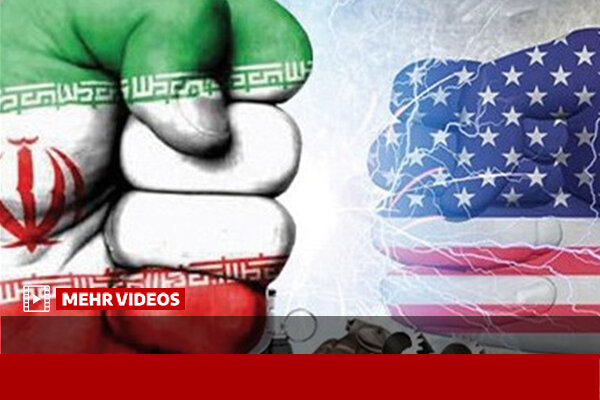
According to the International Desk of Webangah News Agency, the recent actions by Washington have not brought about a significant shift in the pressure policy against Tehran, according to a research fellow at the Institute for National Security Studies of the Israeli regime. Dani Citrinovitz, in his evaluation of new U.S. sanctions against Iran, stated that the United States’ recent measures have not led to a significant development in the pressure policy against Tehran.
He pointed out the U.S. threat to punish countries that continue economic engagement with Iran, emphasizing that the core issue is not the announcement of new sanctions but Washington’s readiness to actually enforce these threats against countries still assisting Iran.
The Israeli researcher stated, “There is nothing new; in practice, nothing truly new has been put forward.”
Citrinovitz added that while the depreciation of the rial, rising inflation, and increased prices of essential goods have exerted considerable pressure on Iran’s economy, these pressures have not yet been sufficient to compel the Iranian system to retreat.
He further explained that the primary objective of the United States at this stage is to increase pressure on Iran and restrict Tehran’s economic pathways to the world. However, achieving this goal faces a significant obstacle: the continued economic cooperation of certain powers with Iran, particularly China and Turkey.
According to this assessment, if Washington genuinely aims to limit Iran’s access to foreign resources and markets, it will inevitably have to confront countries that can neutralize some of the sanctions’ pressure. This scenario could entail substantial economic and geopolitical costs for the United States.
From the perspective of Israeli security circles, economic sanctions alone have not yet altered Tehran’s strategic calculations, and the success of the U.S. maximum pressure policy will largely depend on Washington’s approach toward Iran’s economic partners.


