European Union Faces Over $220 Million Daily in Diesel Price Hikes
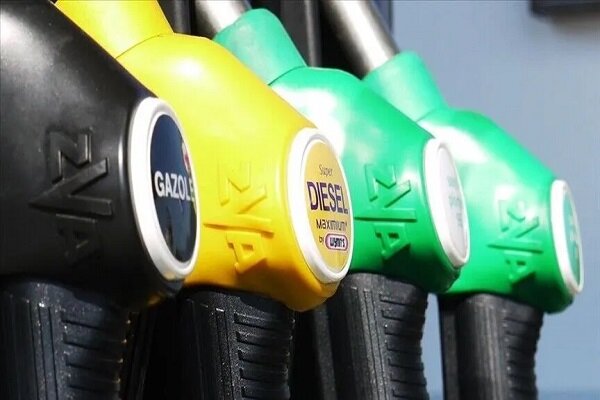
According to the International Desk of Webangah News Agency, the escalating price of diesel fuel, influenced by geopolitical developments, is imposing an extra cost of approximately €200 million, equivalent to about $228 million, on the European Union’s economy daily. This report is based on data published by Mehr News Agency, citing Anadolu Agency.
The environmental organization “Transport & Environment,” headquartered in Brussels, released a report on Wednesday detailing the economic consequences of rising diesel prices across Europe.
The report attributes the decline in refined petroleum product supplies to ongoing conflicts in the Middle East and reduced output from Russian refineries.
Highlighting the widening gap between crude oil and diesel prices, the organization stated that increased fuel costs in the road transport sector are burdening the European economy with an additional €270 million daily, of which €203 million is specifically linked to diesel consumption.
According to the report, the cumulative additional cost imposed on the EU economy due to road diesel consumption has reached €40 billion since military actions by the United States and Israel against Iran.
The report indicates that road transport accounts for 77% of diesel and gas oil consumption within the European Union. Furthermore, diesel-powered vehicles constitute 38% of passenger cars on EU roads, rendering the region the most vulnerable globally to increases in diesel prices.
The organization announced that diesel vehicle owners in the EU are paying an average of €19 in extra costs per fill-up, while the fuel expenses for truck drivers have surged by €236 weekly. Additionally, 30% of diesel vehicles in Europe are over 15 years old.
“Transport & Environment” has proposed that reducing highway speed limits by 10 km/h, promoting fuel-efficient driving practices, and expanding carpooling could collectively decrease diesel demand by 15% in the short term.
The organization also suggests implementing incentives for scrapping older diesel vehicles, accelerating the transition to electric vehicles, taxing windfall profits from oil companies, and increasing investments in electrification.