
Ayatollah Khamenei Guided Iran Toward Development, Upholding National Interests
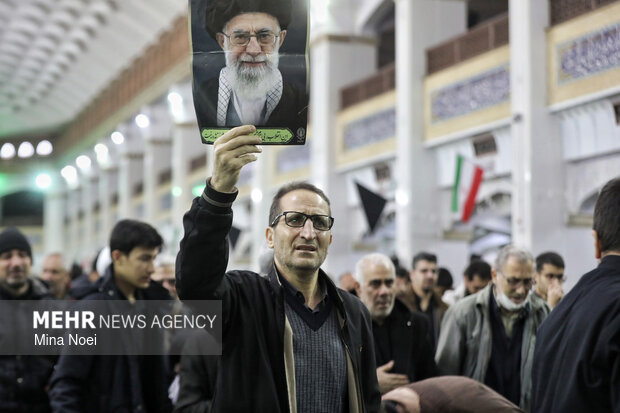
According to the International Desk of Webangah News Agency, Russian senior journalist Alena Dunayeva, in an interview citing data published by the Mehr News Agency, discussed the late leader of the Islamic Revolution, Ayatollah Seyyed Ali Khamenei. A Shia Muslim believes in sacrificing their life for God, justice, and their beliefs. Ayatollah Seyyed Ali Khamenei has effectively led the Islamic Republic of Iran for the past 37 years, continuing the path of Imam Khomeini (RA) and defending the accomplishments and interests of the Islamic Revolution.
Following the Iran-Iraq war and the passing of Imam Khomeini, he assumed leadership during a challenging period. At that time, rebuilding the economy and developing the nation’s social, economic, and cultural capacities in the new circumstances were essential to realize the main objectives and duties of the Islamic Revolution. Iran faced numerous challenges, and Ayatollah Khamenei‘s judicious decisions contributed to Iran’s progress in social and economic development, even amidst internal crises. His approach was consistently pragmatic, enabling him to balance various factions and prevent disputes from escalating into serious conflicts.
The external landscape presented similar complexities. Iran faced international sanctions, yet Ayatollah Khamenei’s leadership was characterized by adherence to national interests on one hand, and the ability to negotiate and reach agreements on the other. For instance, international sanctions exacerbated economic difficulties. Nevertheless, during this period, he introduced the policy of “resistance economy” and outlined the country’s main development pathways.
Regarding the nuclear program, Ayatollah Khamenei declared the prohibition of possessing and using nuclear weapons. Furthermore, the Iranian leader placed significant emphasis on strengthening the country’s military capabilities, and the Iranian armed forces have reached their current level under his command. He consistently advocated for the development of good relations with Russia, meeting frequently with Vladimir Putin, and demonstrating through his approach that cooperation between the two countries could be mutually beneficial.
In conclusion, we extend our condolences to the people of Iran and express solidarity with the victims of recent attacks. We also commend the stance of the Iranian people, who have shown that the martyrdom of their leader and some Iranian officials did not weaken the country but rather strengthened their unity and resolve to defend their sovereignty and territorial integrity.


