
Economists Warn of Unprecedented Financial Crisis Looming Over the United States
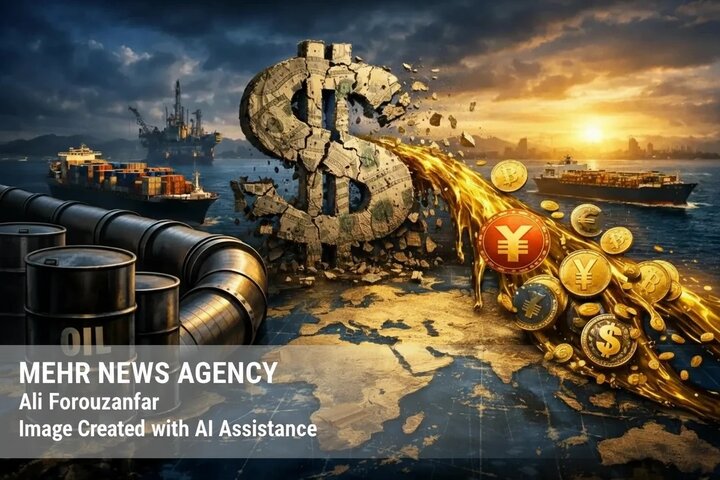
According to the International Desk of Webangah News Agency, economic experts have issued grave warnings regarding a new financial crisis poised to hit the United States, potentially exceeding the scale and repercussions of the 2008 crisis. These global economic analysts characterize the present global economic landscape as a “large bubble” susceptible to imminent collapse.
Prominent economist Peter Schiff highlighted the United States’ precarious position on the brink of a severe crisis, asserting that the U.S. government’s capacity to rescue markets has diminished. Schiff elaborated that the accumulation of substantial debt means the impending crisis is not solely tied to the creditworthiness of private sectors, but directly linked to “sovereign credit” – the government’s own debt.
Schiff explained that the option of “printing more money” is no longer an effective solution and will only exacerbate inflation, intensifying the economic hardships faced by citizens. He emphasized that the current situation is the result of decades of accumulated imprudent decisions, marked by a lack of bold structural reforms.
The economist pointed out that the U.S. government faces enormous unfunded debt obligations, presenting it with difficult choices. These options include defaulting on its debts or resorting to monetary inflation, which would erode the real value of the currency. He predicts that Americans will emerge from this crisis significantly poorer than they were after the 2008 downturn.
Schiff further elaborated on the escalating financial pressures driven by increased social security program costs and debt interest payments. He concluded that the prolonged deferral of economic problems has made the “final wave” of this crisis substantially more severe and crushing.
Data from the U.S. Department of the Treasury reveals that government debt has surpassed $40 trillion for the first time in history. This milestone redefines the landscape of sovereign risks, posing fundamental questions for investors about the future of “safe-haven investments” and the sustainability of fiscal policies in the world’s largest economy.
Economic analysts have previously issued repeated warnings regarding the direct costs of the United States’ belligerence towards Iran and its indirect repercussions on the American economy.


