
Saudi Arabia Seeks International Aid Amidst Yemen Stalemate and Shifting Alliances
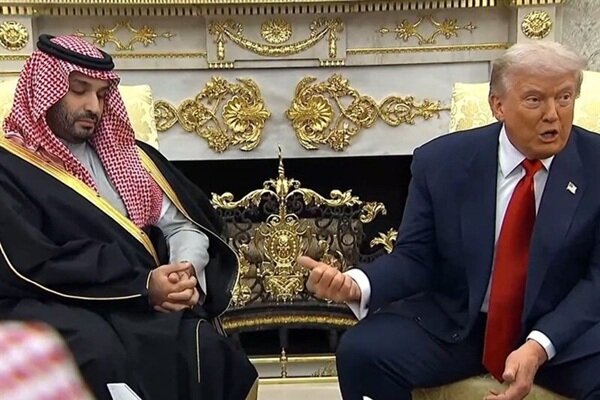
According to the International Desk of Webangah News Agency, Saudi Arabia finds itself in a strategic impasse in its protracted conflict with Yemen, a situation exacerbated by rapid territorial advances made by Ansarallah forces along the western coast and near the Bab al-Mandab strait. Riyadh, which has previously attempted to bolster its position through various alliances, now appears more isolated than ever, reportedly resorting to diplomatic appeals in multiple world capitals to shore up its security interests.
Following the United States’ refusal of direct intervention, Saudi Arabia had placed significant hopes on the “Mecca Pact,” a military agreement involving Saudi Arabia, Pakistan, and Turkey, intended to create a collective security umbrella. However, this pact has so far yielded no tangible benefits for Riyadh and has been characterized as a symbol of inaction by its supposed allies. The extent of the predicament was underscored by an interview given by a Saudi official to Channel 12 of the Israeli regime.
Mecca Pact Fails to Deliver Security Umbrella
The Saudi official stated, “Turkey and Pakistan have left us alone against Yemen. We have received nothing but statements from Pakistan or Turkey, and no cooperation has materialized. They only want to sell weapons.” This assertion comes despite the Mecca Pact’s provision for mutual defense in the event of an attack on any member state. The official described the pact’s role in the Yemen war as purely a political and propaganda gesture.
In response to these remarks, Pakistani officials issued statements aimed at placating Riyadh, expressing readiness to support the Kingdom. Pakistan’s Minister of Defense, Khawaja Asif, indicated that the time had come to implement the Mecca defense pact, calling it an “eternal covenant.” The spokesperson for the Pakistani Army announced the deployment of approximately 8,000 troops, a JF-17 fighter squadron, drones, and an HQ-9 air defense system to Saudi Arabia, emphasizing Pakistan’s “unconditional” and “non-negotiable” commitment to Saudi security. It is noted that this deployment relates to a separate defense agreement with Islamabad concluded in 2025.
Shifting Diplomatic Focus to Tel Aviv and London
Media reports previously indicated that, after disappointment with the U.S., Riyadh had approached the Israeli regime and the United Kingdom for assistance in the Yemen conflict. Israeli media outlets such as Israel Hayom and The Jerusalem Post revealed that Riyadh had indirectly requested intelligence support from Israel through CENTCOM to prevent the closure of the Bab al-Mandab, despite Saudi Arabia not yet officially recognizing Israel. Following overtures to the U.S. and Israel, Bloomberg reported that Riyadh had also engaged with London, seeking airstrikes and military advisory support from UK Prime Minister Andy Burnham. The British Prime Minister has reportedly expressed reservations, agreeing only to send advisors.
Interceptor Missile Shortages Emerge
Associated Press, citing sources, reported that Saudi Arabia, facing dwindling supplies of interceptor missiles, has requested France, Britain, Pakistan, and Egypt to deploy their air defense systems in certain areas to aid Riyadh. This request stems from Washington’s own challenges with reduced interceptor missile stocks, impacting its role as a primary arms supplier to Saudi Arabia.
A Recurring Strategic Miscalculation
For decades, Riyadh has operated under the assumption that security could be purchased with oil revenues, continuously forming disparate alliances with little common ground. Furthermore, by enriching Western arms manufacturers, it has cultivated an image of power that is now perceived as hollow. A fundamental question arises: if Saudi Arabia struggles to contend with Ansarallah, why engage in conflict and continuously provoke regional tensions with the “axis of resistance”? The operational effectiveness of the Saudi military, despite decades of multi-billion-dollar acquisitions, remains a subject of concern. Riyadh’s current state of desperation is so profound that it appears to disregard its own reputation, persistently seeking allies in Eastern and Western capitals to aid it against Ansarallah.
A Path Forward for Riyadh
Instead of escalating tensions and pursuing a fragmented diplomatic strategy, Riyadh would benefit from policy reform. By ceasing confrontation with the axis of resistance and disengaging from cooperation with the U.S. and the Israeli regime, and by lifting the blockade on Yemen while also facilitating the closure of U.S. bases in the region, Saudi Arabia could take significant steps towards mending relations with Tehran and Sanaa. This situation represents a significant challenge for a regional power unable to secure its own safety independently.
Conclusion
Riyadh is ensnared in a predicament it seemingly never anticipated. The strategy of dependency, rather than reflecting astuteness, indicates a fundamental impasse. As long as Saudi Arabia seeks external security umbrellas rather than engaging in negotiations with its neighbors and ending the conflict, each ensuing crisis will necessitate further appeals for assistance.


