

Iran’s Ambassador to Lebanon Secures Extended Stay Amidst U.S.-Backed Opposition
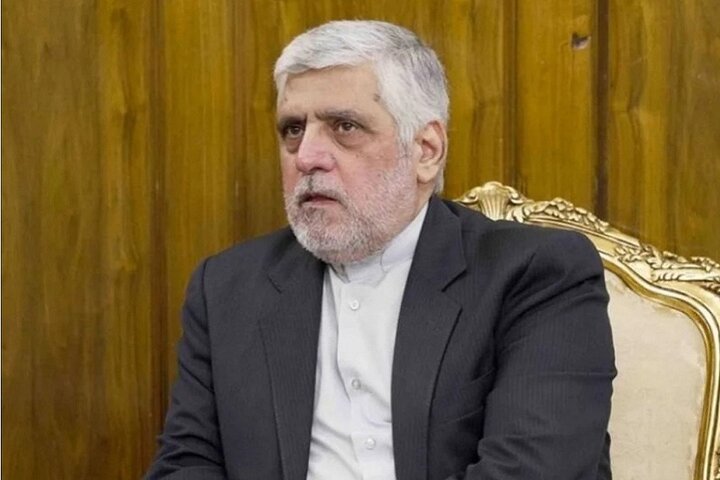
According to the International Desk of Webangah News Agency, the Lebanese newspaper Al-Akhbar has reported that the agreement to continue the presence of Mohammad Reza Sheibani, Iran‘s Ambassador to Beirut, delivered a strong rebuke to a faction that had launched a campaign in recent days to prevent his extended stay in Lebanon. This faction was reportedly spearheaded by Michel Issi, the U.S. Ambassador to Beirut, Youssef Rizk, the Minister of Foreign Affairs, and the Lebanese Forces party. This group’s political and media efforts to block any solution allowing Iran to maintain its political presence in Lebanon ultimately failed, unable to force the expulsion of the Iranian ambassador and concluding with an agreement for Sheibani’s continued tenure.
The Lebanese daily stated that Major General Hassan Shqeir, Director-General of Lebanese Public Security, acted as an intermediary in the political negotiations, persuading Lebanese President Joseph Aoun to adopt a formula that would prevent escalating tensions with Iran. Available information suggests this approach was coordinated with Nabih Berri, Speaker of the Parliament, to provide the necessary political cover for the final resolution of the issue.
Ultimately, Sheibani was granted a six-month residency in Lebanon. He submitted his request to Public Security using his Iranian diplomatic passport and received his residency based on the legal authorities stipulated in the Lebanese constitution, specifically Article 21.
The newspaper further noted that U.S. Ambassador to Lebanon Michel Issi, while continuing to incite sentiment against Iran through his meetings with Lebanese politicians in various venues, orchestrated a campaign that ultimately led to Iran’s success. Issi had intended to make Sheibani’s expulsion a test of Washington’s influence in Lebanon and its ability to adopt a hardline stance against Iran. However, the final decision saw the Lebanese government upholding the legal framework for Sheibani’s presence, keeping the door open for political engagement with Tehran.
More significantly, this matter is not confined to a mere six-month administrative residency. Intelligence indicates that Tehran intends to utilize Sheibani in a new political role as a “Special Envoy for Lebanon and Syria.”


