
Bloomberg: Saudi Arabia Struggling to Counter Yemen Advance, Faces Economic Crisis
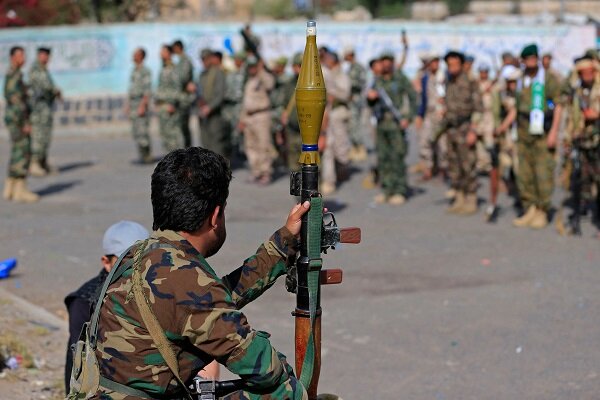
According to the International Desk of Webangah News Agency, Bloomberg has published several assessments from Western European military analysts regarding the rapid developments in Yemen. These assessments indicate that Saudi Arabia is facing difficulties in confronting the advances of the Yemeni armed forces, raising the possibility that “Riyadh will be unable to retake Mokha.”
In response to these developments, Crown Prince Mohammed bin Salman traveled to Egypt last Tuesday to meet with President Abdel Fattah el-Sisi. During their discussions, both leaders emphasized the necessity of strengthening coordination, including “ensuring the freedom of navigation in the Red Sea.”
Citing two informed sources, the Saudi government is reportedly hesitant to take unilateral action against Sanaa and is seeking guarantees of participation from other nations before launching any large-scale military operations.
Bloomberg further stated, “Even if bin Salman decides to intensify his attacks against Sanaa, there is no guarantee of his success.”
The publication also suggests that the ongoing hostilities instigated by the United States against Iran have reached a critical economic juncture for Saudi Arabia. Bloomberg noted that these confrontational actions have led to a reduction in Saudi oil production to its lowest level in decades, now complicating the Kingdom’s multi-trillion-dollar economic development and diversification plans.
According to Bloomberg’s indices, Saudi government bonds have experienced their worst performance in emerging markets this month. The ongoing clashes between Saudi Arabia and the Yemeni armed forces also threaten Riyadh’s endeavors to attract billions of dollars in foreign investment across various sectors, from data centers to the energy industry and electric vehicles.
Monika Malik, Chief Economist at Abu Dhabi Commercial Bank, predicts that the Saudi economy could contract by 3.1% this year. This figure could worsen to 4.5% if the “East-West” oil pipeline is halted for a month and the government is unable to export significant oil volumes through the Strait of Hormuz during that period, a scenario worse than the peak of the COVID-19 pandemic in 2020.
Tim Callin, former head of the International Monetary Fund’s office in Saudi Arabia, commented that recent developments are highly detrimental to Saudi Arabia economically and geopolitically, leading to significantly lower economic growth.
Bloomberg added that, to date, bin Salman has requested further military support from U.S. President Donald Trump and British Prime Minister Andy Burnham, but neither has expressed readiness to provide such assistance.


